How to Choose the Right Shower Head

Written by Lisa Kahn

Like most design features for the bathroom, there is a dizzying array of shower head options. Whether you’re looking for a basic fix or a blissful hydrotherapy experience, the first step in selecting your perfect fixture is finding out what’s available. While there are numerous ways to customize a shower, shower heads typically fall into four main categories.

1. Standard Wall-Mount Shower Heads

If you’re on a budget or just want a simple update to an existing bath, a wall-mounted shower head is an ideal choice. You can change a wall-mounted head simply by unscrewing the existing part and screwing on a new one. However, be careful not to break the shower arm as you’re unscrewing the old head. To prevent a possible leak, use a pair of pliers or a lubricant, such as WD-40, to help loosen things.

Basic

  • Standard wall-mounted heads typically work with existing plumbing.
  • Extra features include nozzles that adjust from a pulsing massage to a gentle mist.
  • Prices begin at around $2 for a plastic single-spray model.

2. Hand-Held Shower Heads

Thanks to the additional reach and control its 3- to 6-foot hose offers, a hand-held shower head can help you perform multiple tasks, including bathing kids and pets, washing your hair, and rinsing the shower enclosure. Handheld showers are mounted to the wall and can be loaded with extras. For example, Waterpik offers a model with massage jets and six spray patterns.

Basics

  • This shower head should work with existing plumbing.
  • It’s great for a family bathroom.
  • It can be used instead of or in combination with a standard shower head.
  • Some hand showers can be mounted to sliding bars that adjust to various heights.
  • Prices begin at around $35 for a chrome model with multiple spray settings.

3. Top-Mount Shower Heads

Also known as rain showers, top-mounted shower heads are positioned directly over the bather’s head for an enjoyably drenching experience. These styles can be suspended from a pendant or mounted flush to the ceiling. Unlike the easy replacement of a standard head, installing a top-mounted shower head requires extensive plumbing upgrades. Choices range from traditional rain shower heads that offer a single spray pattern to truly over-the-top models that have multiple adjustable nozzles and colored lighting.

Basics

  • Top-mount installation is easiest in a new home or major bath renovation.
  • It can be a great solution for ceilings that are too low for a wall-mounted head.
  • Affordable rain-style heads are available in standard wall-mounted models beginning at around $10. Top-mounted models begin at around $500.

4. Body Sprays and Panels

Create the experience of a hydrotherapy spa treatment by adding body sprays or multi-spray panels to your shower. These are typically installed in vertical rows on opposite or adjacent walls, providing a crisscrossing water pattern that massages you from head to toe. Body sprays and panels are often combined with other shower heads as part of a semi-custom or custom installation..

Basic

  • Because body sprays require extensive plumbing work, they are best reserved for a complete renovation.
  • Body sprays are usually set at the shoulder, hip, and knee, so you must consider the height of each user for the best installation points.
  • They begin at around $85 per unit.

How to Make a Small Bathroom Look Bigger

Written by Lee Wallendar

Even if your home’s bathroom is small, it doesn’t have to look small. With a few alternations or remodels, you can create the illusion of a larger bathroom, all without moving a single wall.

1. Install a Larger Mirror

Mirrors not only add the illusion of more space in the bathroom, but they also reflect more light back in the room. Since your bathroom already has a mirror, consider dialing up the size. Super-sized mirrors up to 5 feet long and 3 feet high can easily be installed with just a cordless drill, drill bits, and a few screws. 

—Tips

  • Frameless mirrors add a feeling of more space.
  • Screw into studs in order to support heavier mirrors.
  • Look for a tarnish-resistant coating to protect against high-moisture condition.

2. Increase Natural Light

If more light is better in a small bathroom, then natural light is always the best. Windows and skylights that potentially can provide light may be painted over, dirty, or covered with curtains. Cleaning windows is easy and inexpensive. Skylights covered in moss can be cleaned roof-side with a scrub brush, warm water, and a mild detergent.

–Tips

  • Repair broken blinds and curtains so that they open and close, as needed.
  • For a permanent solution, replace clear glass windows with frosted privacy glass.
  • Clean window screens with water and a soft brush, as cobwebs and dirt can impede natural light.

3. Replace the Bathroom Vanity Cabinet

Bathroom Vanity Cabinet offer many advantages, with one of the greatest advantages being the opportunity to store items below the sink and behind closed doors. But vanity cabinets, too, are space-wasters in small bathrooms.

For maximum room, replace your vanity cabinet with a cantilevered countertop or with a pedestal sink. Pedestal sinks can be self-installed and cost between $150 and $400. While pedestal sinks give you more floor space, keep in mind that your countertop space will shrink.

–Tips

  • Flooring under the vanity cabinet may need to be filled in.
  • Use a pry bar to gently pull the cabinet away from the wall.
  • Remember to turn off the water supply before removing the sink.

4. Go Easy on the Decorations

Decorative accessories like artwork and small rugs are fun to add and make a small bathroom feel warm and inviting. But they can also lead to serious clutter if left untamed. If you are collector, consider thinning out extraneous items from the bathroom. Removing clutter is completely free and its effect will be felt immediately.

–Tips

  • Instead of multiple items, limit yourself to one of each.
  • Ask yourself if the item has any functional value.
  • If you cannot bear to part with an item, move it to another room.

5. Decrease Color Contrasts and Dividing Lines

Dividing lines and sharp contrasts between colors serve only to make the bathroom feel smaller. Wherever possible, erase or blur lines between items.

For example, a wainscot that is painted a different color from the wall should instead match the wall color. Crown molding is a visual “stop.” Consider painting crown molding the same color as the ceiling or the walls. Wall tiling that ends halfway up the wall should be extended to the ceiling. 

–Tips

  • If the choice is between a light or a dark color, go with the light color.
  • Wide baseboards can be replaced with narrower baseboards.
  • Removing crown moldings altogether will provide an even greater sense of openness.

6. Add a Clear Glass Frameless Shower Enclosure

The largest item in a full bathroom is the shower or the bathtub/shower combination. Adding to that sense of size is the enclosure. While removing the enclosure is out of the question, you can take the next best step and make that enclosure transparent.
Frameless shower and tub enclosures are made of thick tempered glass held together at the corners. With no frames on the glass, the enclosure is as invisible as it will ever be. 

–Tips

  • Check the specifications since doors are either left- or right-opening.
  • Bypass doors slide; pivot doors open like a door since they are hinged.
  • Consult with a contractor or bath design professional since do-it-yourself installation can be difficult.

How to Choose Between a Walk-In Shower vs. Tub

Are you struggling to choose between a tub and a walk-in shower? You are not alone. Homeowners who are remodeling or constructing a new bathroom get stuck on this question a lot. Both styles have their pros and cons.

 Lauren White

Take some of the guesswork out of the equation and answer these five questions.

1. Do You Already Have a Tub?

It’s tempting to rip out all tubs and install trendy walk-in showers, but most realtors would advise against this. If you’re going to sell your home, pulling the tubs will isolate expectant couples and families with small children.

It’s important to know that houses with only one full bathroom benefit most from having a combination shower/tub. If you have multiple bathtubs in your home, consider:

  • If there’s a tub in your small guest bathroom, replace it with a shower-only unit to give them more space to change and get ready.
  • If there’s a tub in your master suite, consider keeping or updating it for resale purposes. If it’s in your forever home, and you never use it, it may be time to replace it with a luxury shower or sauna.

2. How Much Space Do You Have?

The average bathroom is 40 square feet and a standard tub is 15 square feet. Bathrooms see a lot of activity, and cramped spaces induce stress. A walk-in shower may be the right choice if you have a small bathroom because they take up an average of 12 square feet of floor space. That extra 7 percent of open floor can make a surprisingly big difference.

3. Who Is Using This Bathroom?

Think of either the people in your household or your potential buyers. Young, busy couples tend to prefer walk-in showers over tubs. The same is true for many elderly and disabled individuals because walk-ins are easy to get into and out of; however, these homeowners tend to prefer a place to sit and railings for safety and ease. Although, it would be difficult for parents of babies and toddlers to manage bath time in a shower.

If you are looking to age-in-place, a shower is a good investment. If you are planning to start a family, make sure you have at least one tub.

Baths in a master suite are usually only used by adults. If you plan to keep or install a master bathtub, consider deep, stand-alone models. These provide a luxurious option for those who like to soak in comfort. There are models for every aesthetic, easily incorporated into modern, rustic and antique designs. You can even look for varieties with jets or internal heaters that help keep the water warm.

4. Is Energy Efficiency a Priority for You?

Today’s efficient shower heads will save you money on your water bill. The average shower only uses 20 gallons compared to the average bath’s 30. This is a bonus for your wallet and it also makes your property more competitive in the resale market. Energy efficiency is a top priority for today’s homebuyers.
5. What’s Your Budget?

According to HomeAdvisor, the average cost to install a tub is $3,000, while it’s an average of $6,000 to build a walk-in shower. Don’t let the price tag of a walk-in deter you. This style is trending in every region and surveys show that 65 percent of homeowners want showers in their homes. In fact, bathroom remodels can increase resale value by 20 percent.

If a walk-in doesn’t fit your budget, a standard shower stall might be the next best thing. They average $3,500 to install. If you’re leaning toward a tub and you have more room in your budget and bathroom, look into whirlpool and air-jet versions.

6. What’s There Now?

Swapping one tub for another is a relatively simple project unless your new one is larger or more complex. Replacement should only cost $500 to $1,100. Converting from one style to another, however, is where things get hairy. The cost to convert averages $200 to $5,000.

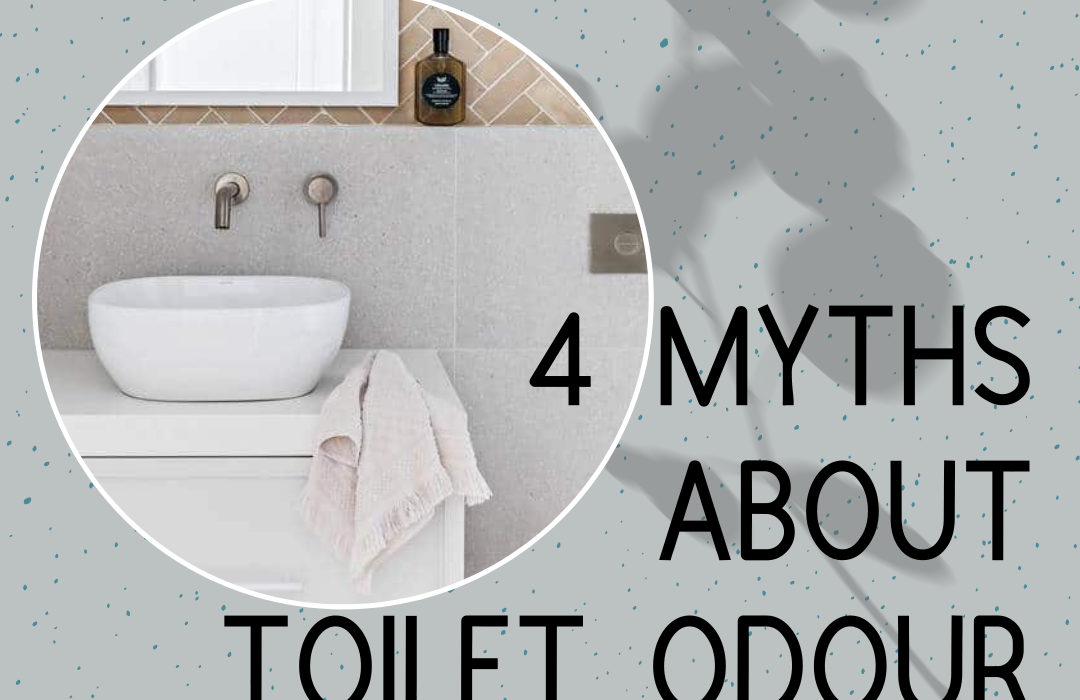
4 Myths About Toilet Odour

For most users, the initial reaction to resolving a bad odour is to musk them with fragrances. However, this musking technique usually is not able to control or eliminate the odour problem. Despite multiple additions and fragrance layering, we end up spending more time and investment with less fruitful outcome. Not understanding the root cause of odour development, would also means not applying the right solution to the problem.

7 Bathroom Safety Tips to Prevent Falls and Injuries

According to the latest investigation by the Centers for Disease Control and Prevention, more than 230,000 people are injured in the bathroom every year. Most of those injuries are caused by falling, with those who are aged 65 or older having the highest injury.

1. Install the grab bar

The grab bar is an indispensable tool for the safety of the elderly care bathroom.

They perform two essential functions. First, they give your loved one something to grip when moving in and out of the tub or getting on and off the toilet.

Second, in the case of a fall, grab bars will be there for your loved one to grab before falling.


3. Improve Accessibility

Making sure that commonly used items are within easy reach is essential for areas like bathrooms where the risk of slipping or falling is heightened.

This is especially important in the shower/bathtub. Make sure that soap, shampoo, conditioner, towels, and any other bathing items are within easy reach.

4. Remove Obstacles

Bathroom safety can be improved by removing items that are easily tripped over. One of the biggest risks for older people is tripping over the side of their bathtub.

Installing a walk-in shower or walk-in bathtub can prevent this from happening.

5. Reduce Risk of Over-Exertion

Overexertion is the No. 2 most common cause of injuries in the bathroom, behind falls, according to the CDC study.

Consider installing a secure bathing seat and a raised seat for your loved one’s toilet, to help your loved one avoid over-exerting him or herself.

6. Improve Visibility

For many elderly people, frequent urination – especially at night – is a common complaint.

By installing night lights that illuminate the walkway from the bedroom to the bathroom, you reduce the chance of a fall or injury.

7. Prevent Hot Water Burns

Elderly people have thinner, more delicate skin and can take longer to notice hot temperatures.

Wishlist 0
Open wishlist page Continue shopping
Add to cart